Age-Conditioned Neonatal Brain MRI Synthesis (2026)
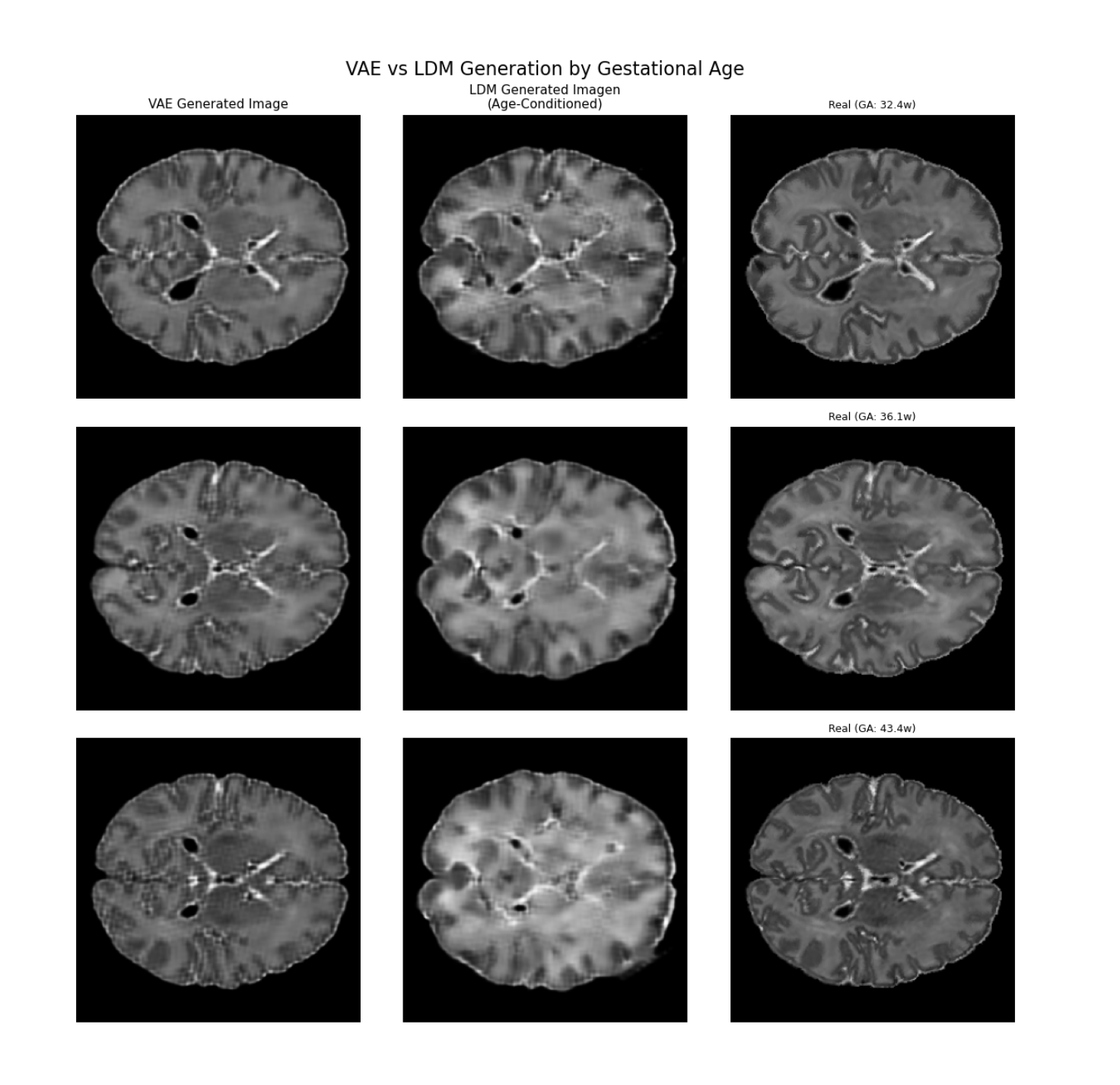
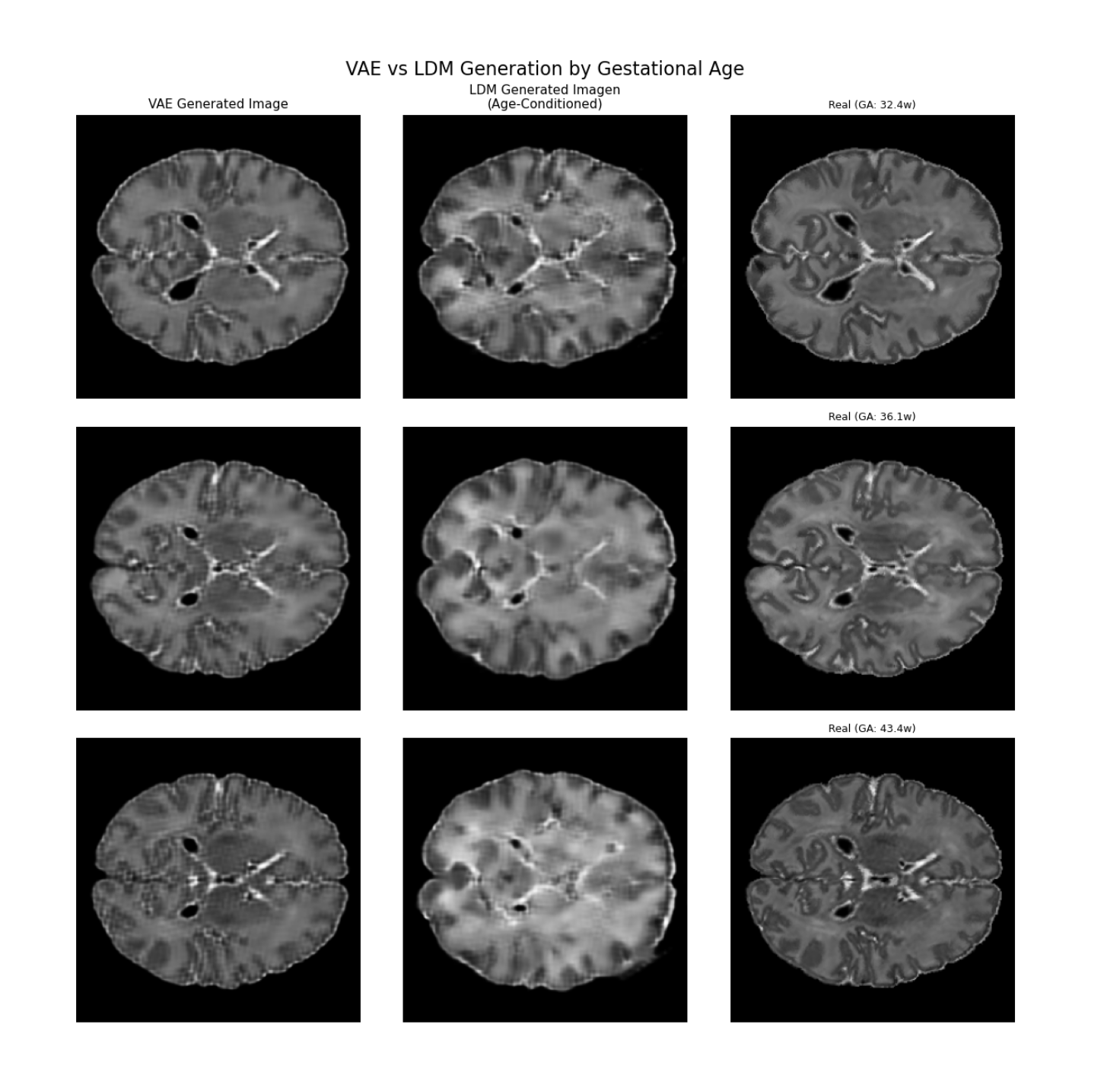
Description:Synthesizing gestational-age-conditioned neonatal brain MRIs using Latent Diffusion Models to address severe data scarcity in pediatric neuroimaging.
I architected an end-to-end PyTorch pipeline featuring a custom age-conditioned U-Net and a VAE optimized to eliminate upscaling artifacts. I also trained an auxiliary ResNet to validate synthetic image quality via brain age estimation.
Tech Stack:PyTorch, Latent Diffusion, VAEs, ResNet, Generative models.
Volumetric Spleen Segmentation via Attention U-Net (2026)
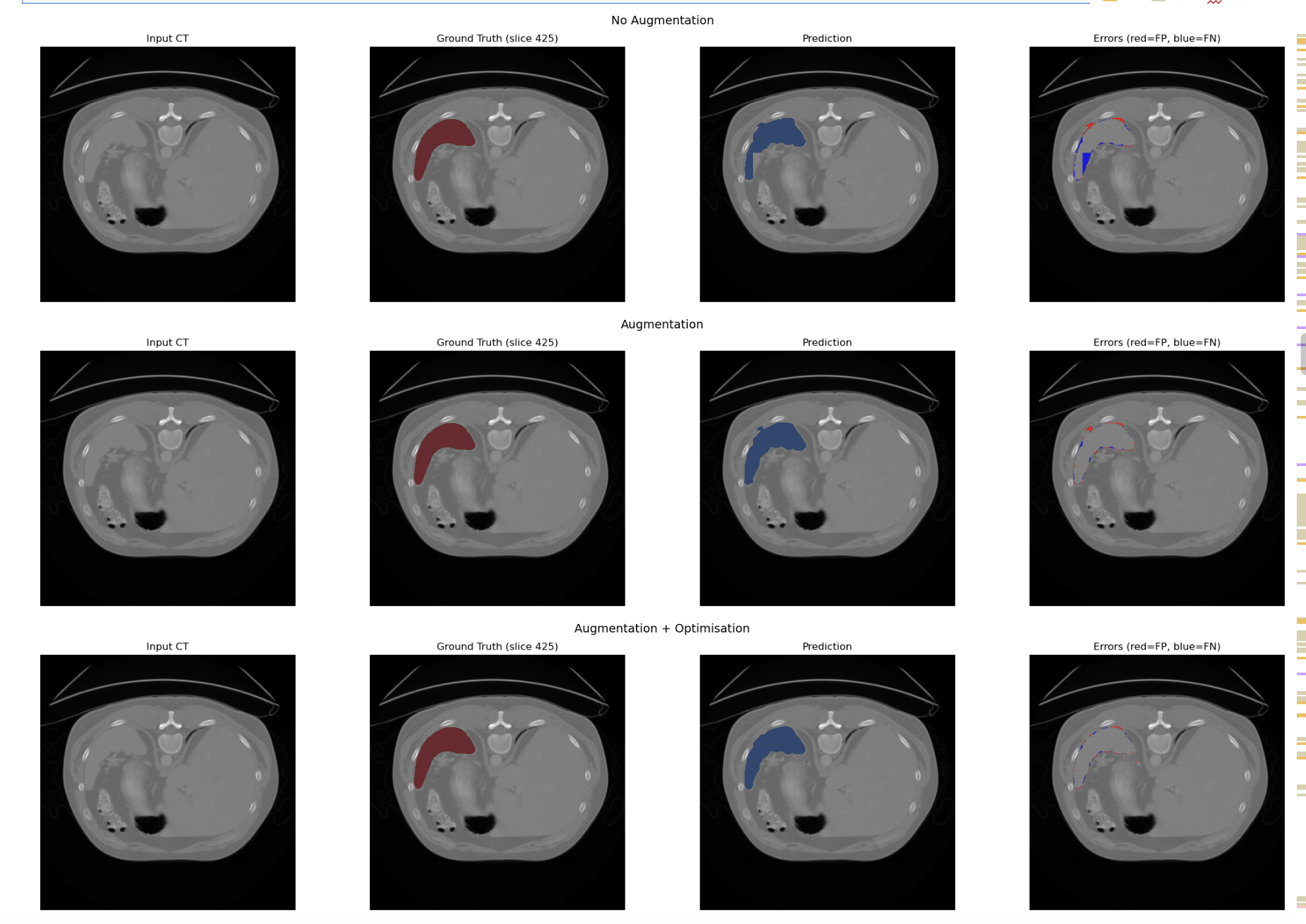
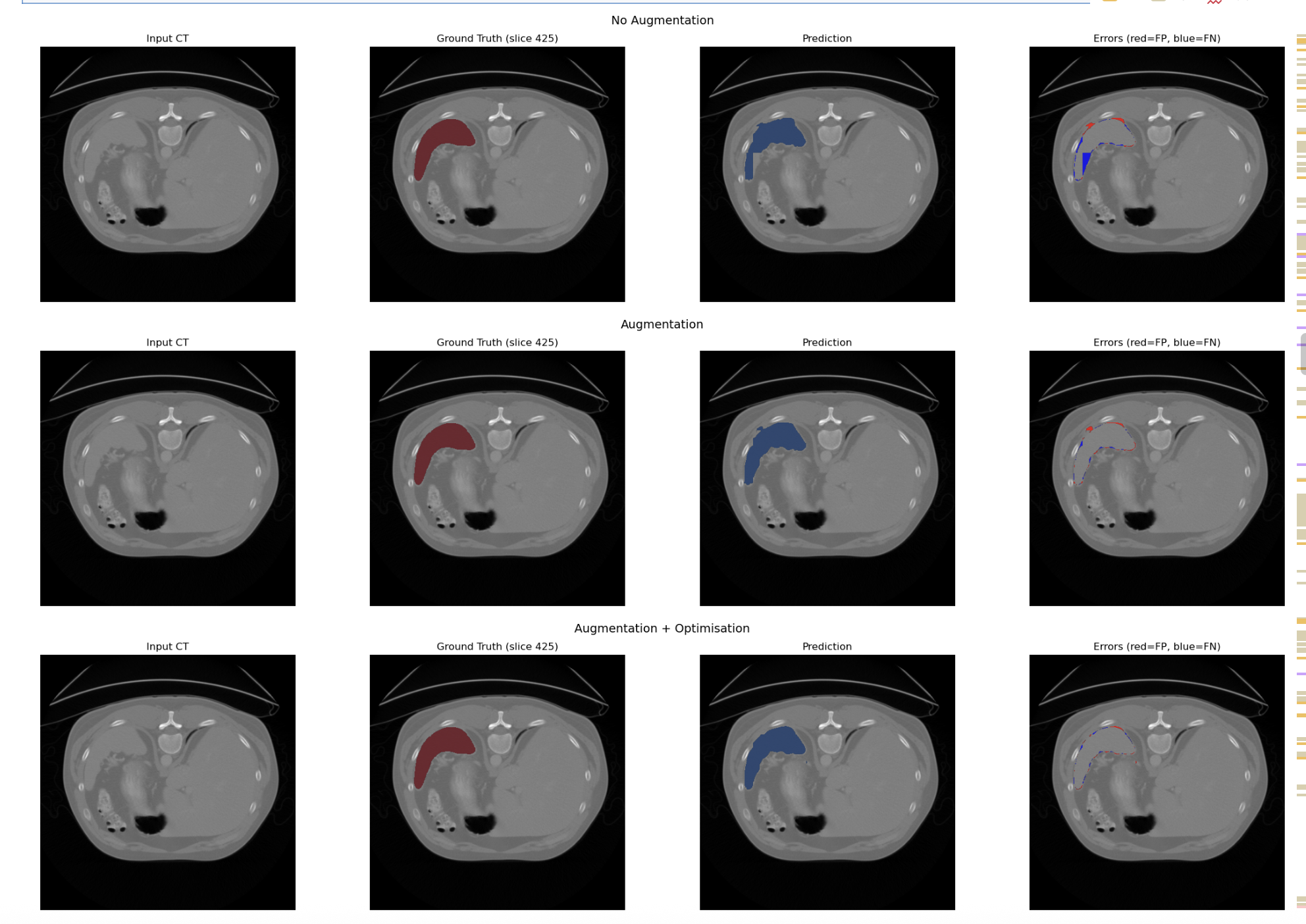
Description: I developed a 3D image segmentation of the Spleen from various CT scans. The model's backbone is based on the Attention U-Net by Oktay et.al. I developed and benchmarked five distinct models against a baseline standard U-Net: Attention U-Net, Attention U-Net with Data Augmentation, Attention U-Net with Data Augmentation & Optimisation, Attention U-Net with an Augmentation Consistency technique, and finally, a Bayesian Attention U-Net.
Tech Stack: PyTorch, Bayesian Deep Learning, Model Ensembling, SimpleITK.
Read Full Case Study
3D MRI Classification of Premature Birth (2025)
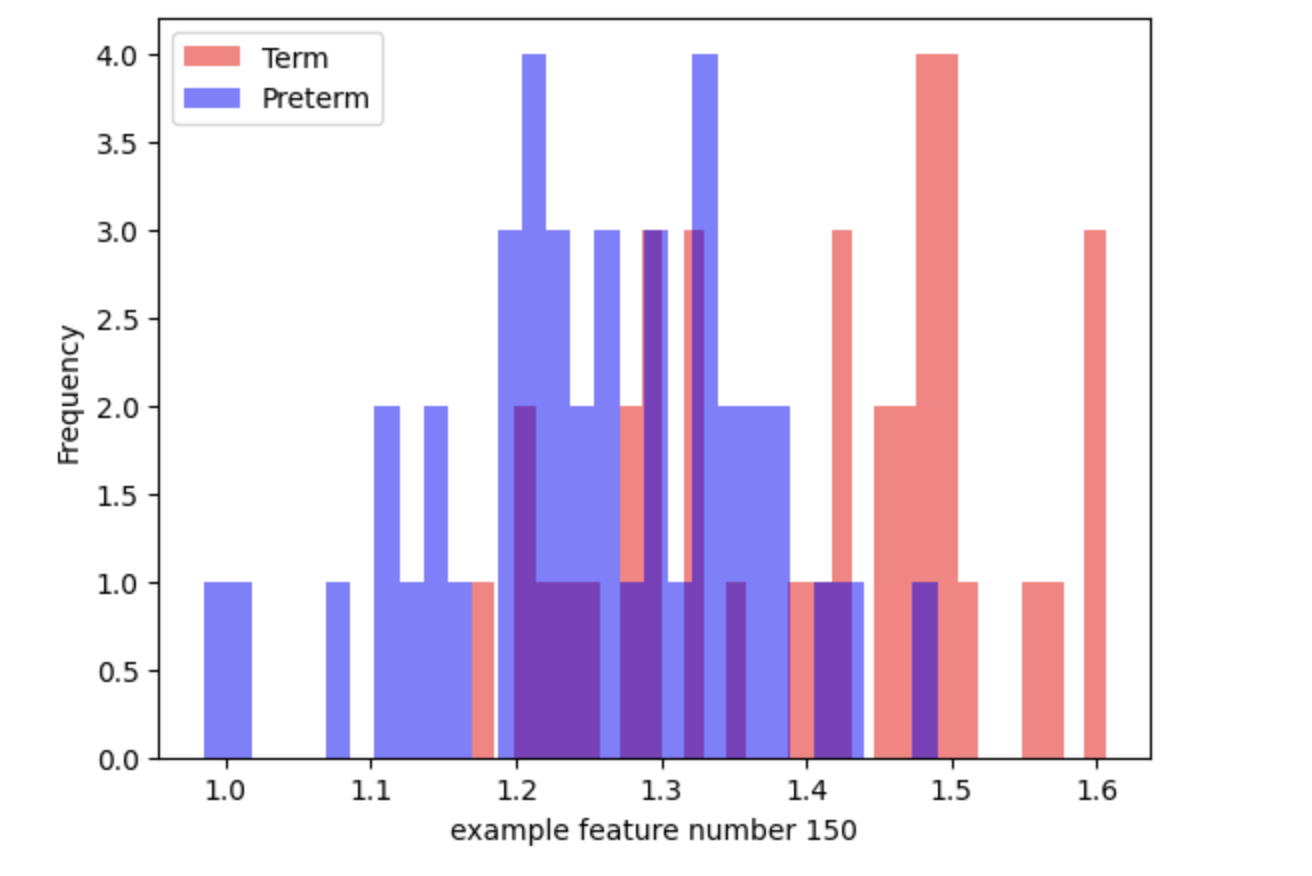
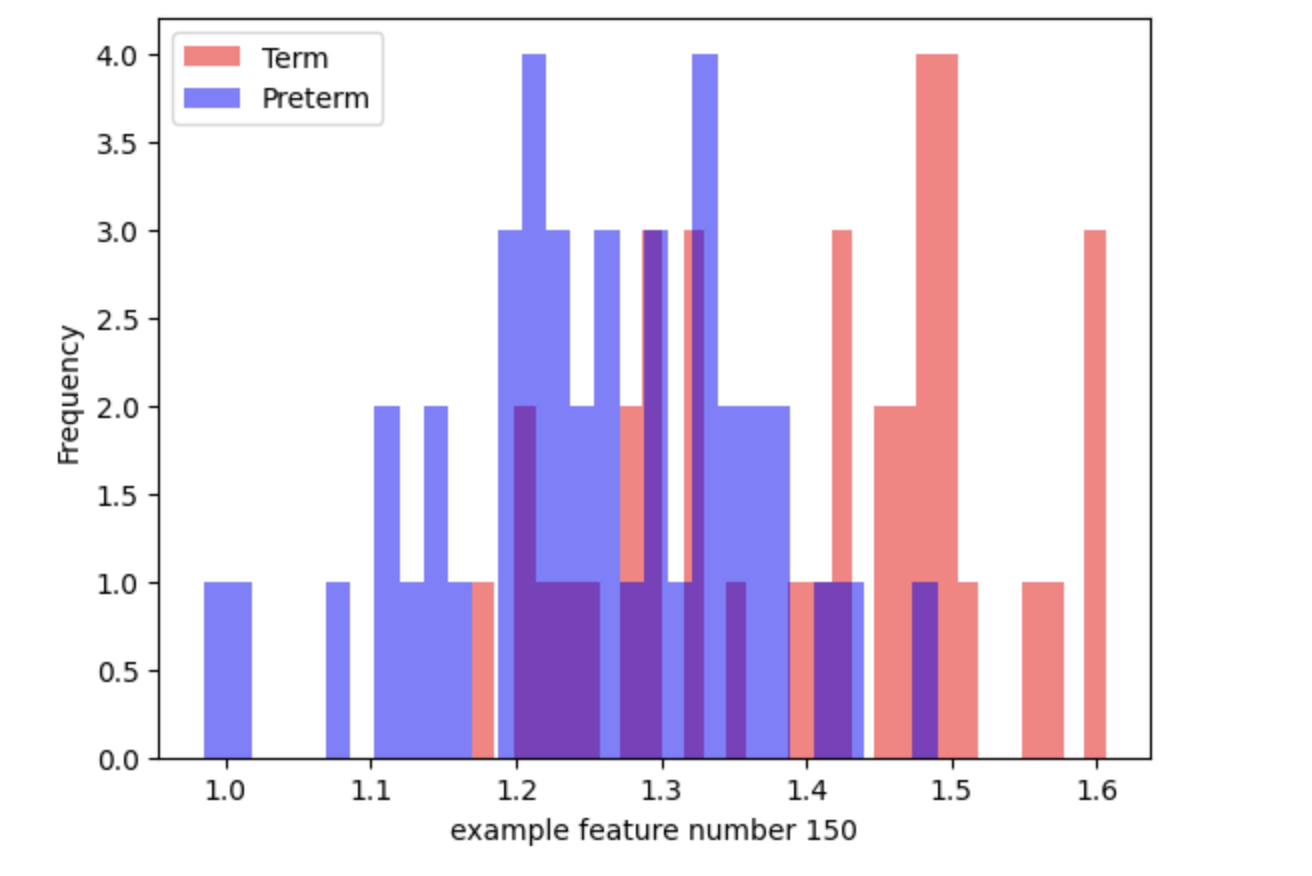
Description: A multi-modal deep learning pipeline designed to predict prematurity status from term status. Using Feature Selection to remove less relevant features collapses dimensionality.
I designed a custom Multi-Layer Perceptron (MLP) architecture that successfully achieved 90% validation accuracy in a highly complex classification task.
Tech Stack: Deep Learning, Multi-modal fusion, NIfTI, Python.
End-to-End MLOps: ResNet Web Application (2026)
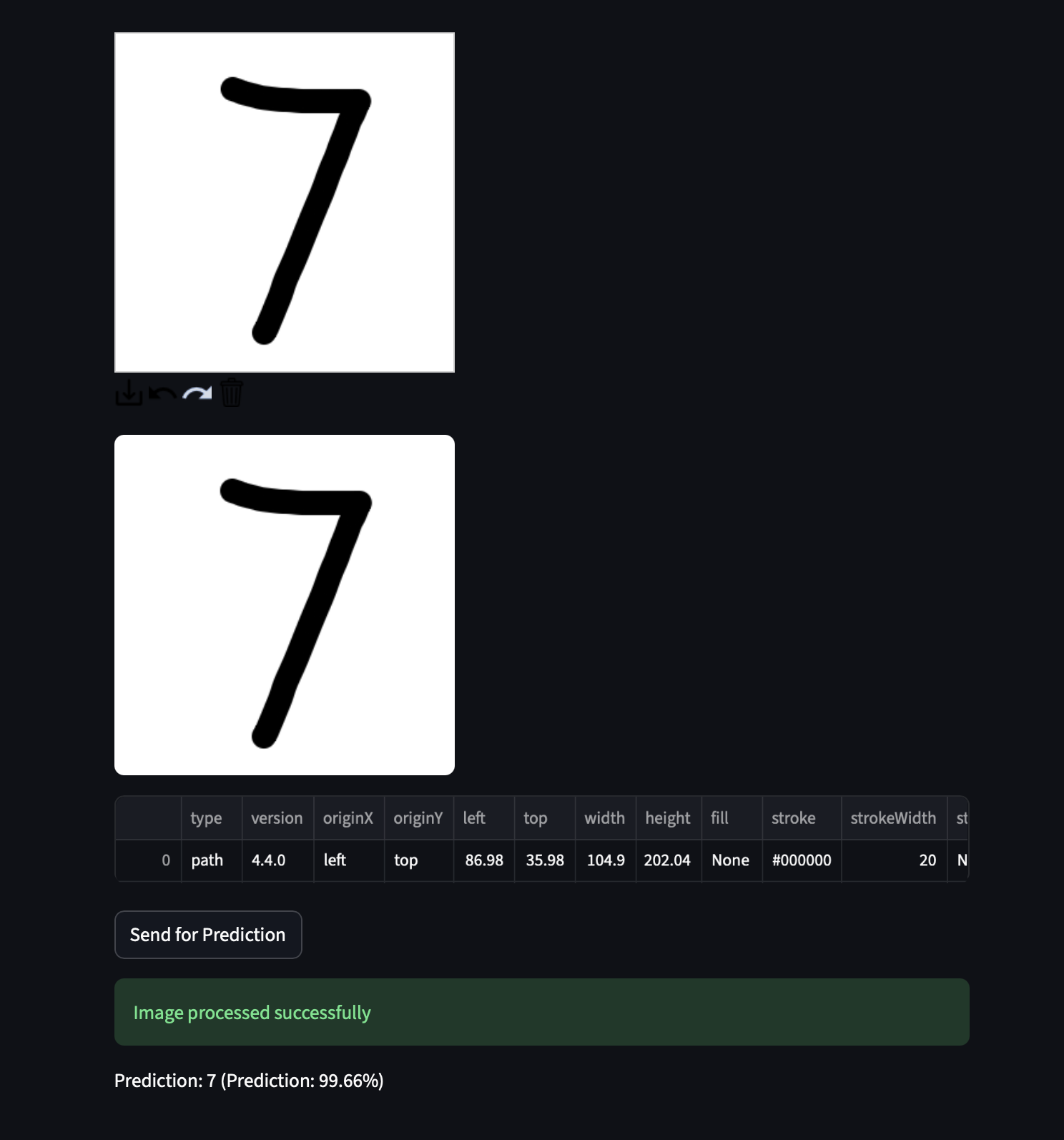
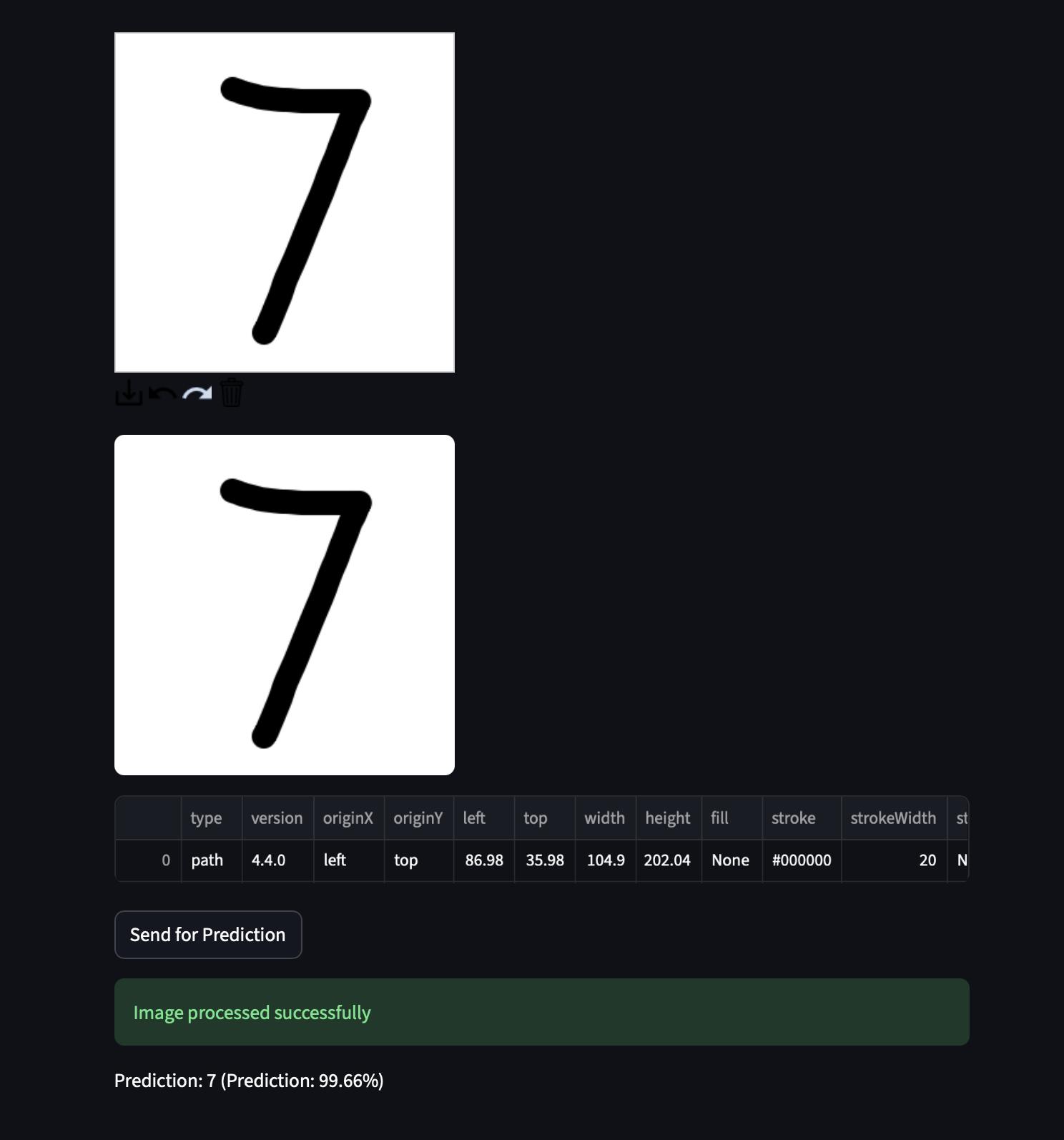
Description: A full-stack deployment of a custom-trained ResNet computer vision model. I built a FastAPI backend to handle real-time image preprocessing (scaling, normalization) and model
inference, paired with an interactive Streamlit frontend featuring a drawing canvas. This project demonstrates my ability to take a model from training to a fully deployed, user-facing application.
Tech Stack: FastAPI, Streamlit, ResNet, Python, MLOps.
Exoplanet Atmosphere Decoding via ResNet (Hackathon) (2026)
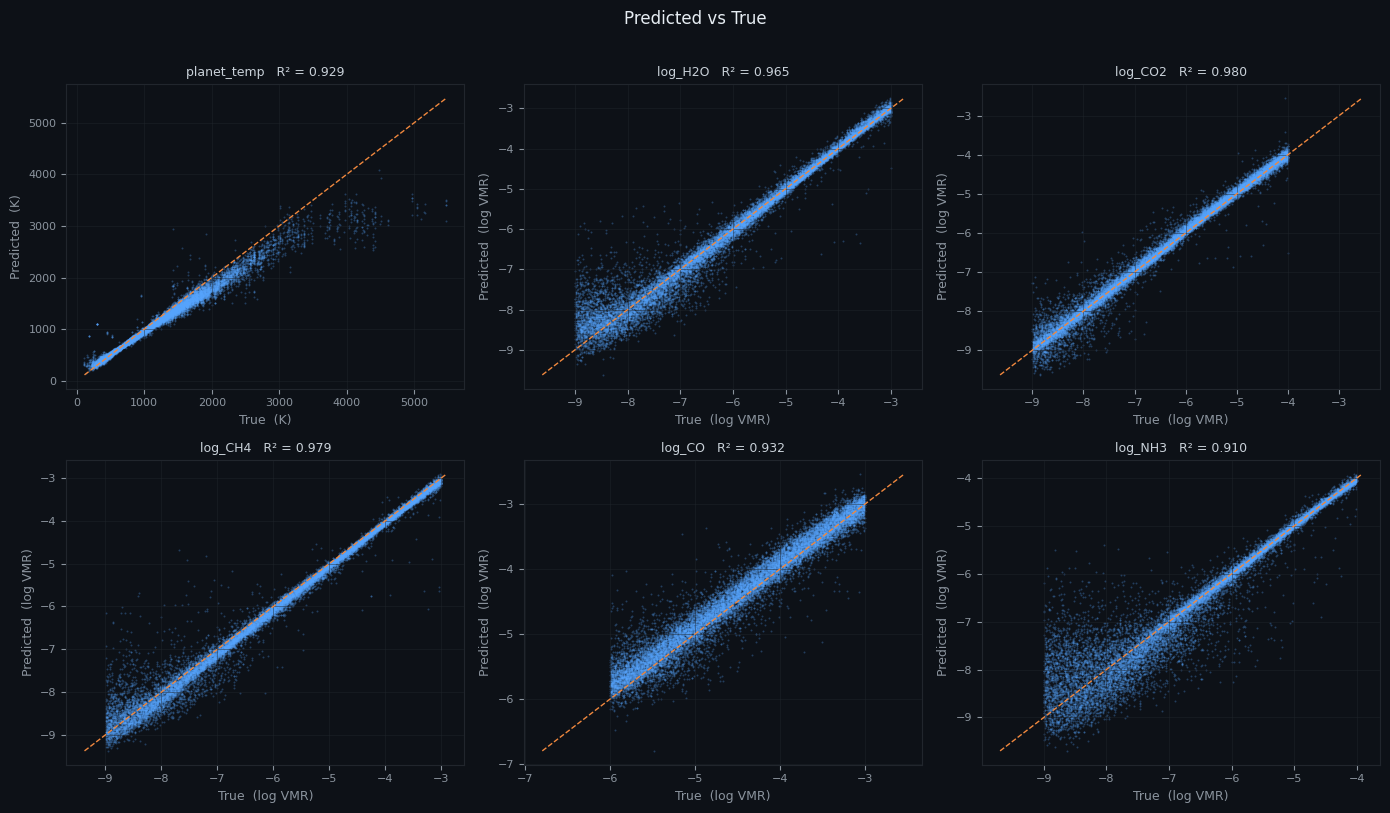
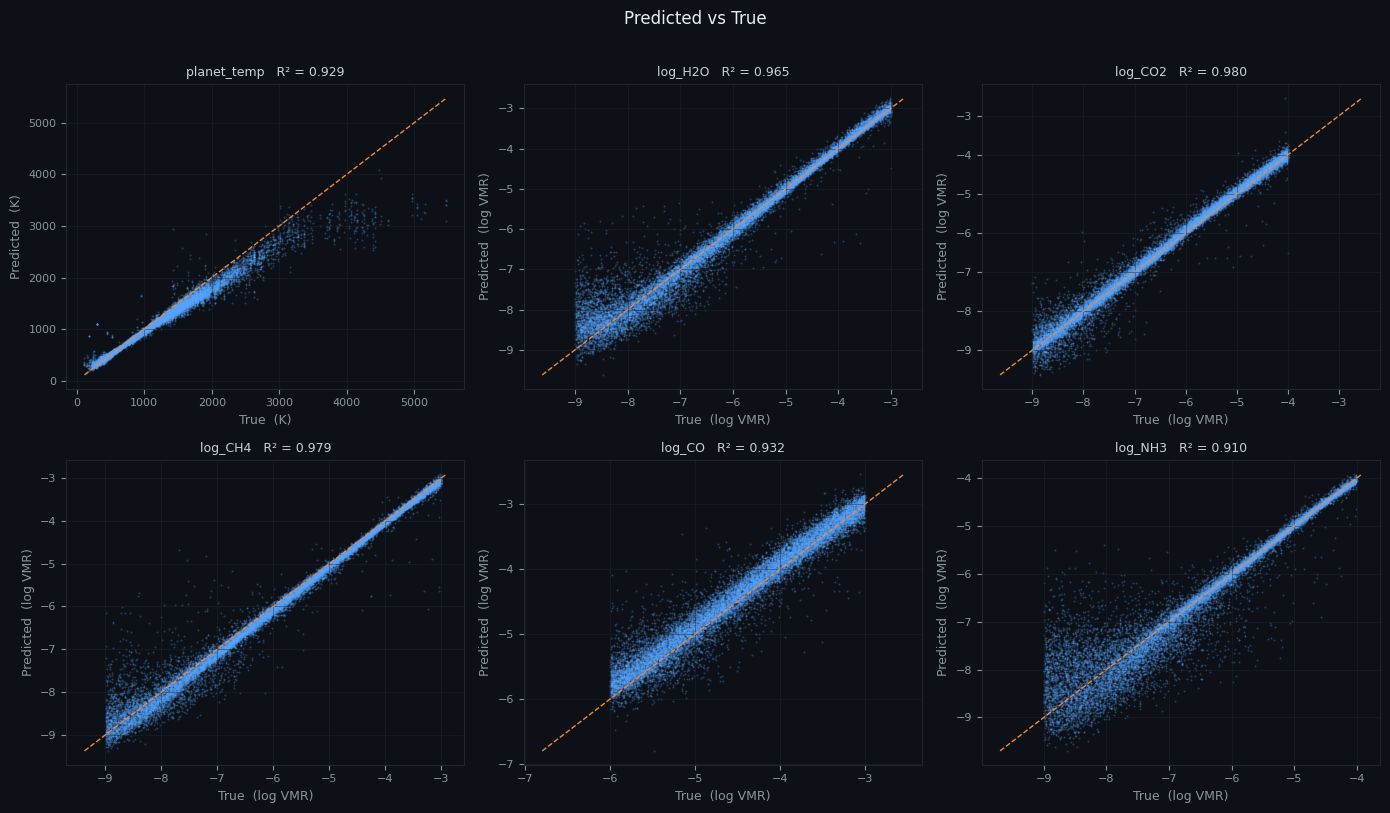
Description: Participated in a hackathon based on the European Space Agency's (ESA) Ariel Data Challenge. The objective was to extract faint exoplanetary atmospheric signals from highly noisy space telescope observations. Building on my experience with uncertainty in medical imaging, I engineered a ResNet architecture incorporating Bayesian uncertainty quantification. This allowed the model to not only predict spectral compositions but also output confidence intervals, effectively mitigating the impact of spacecraft "jitter noise" and instrument artifacts.
Tech Stack: Python, PyTorch, ResNet, Bayesian Deep Learning, Spectral Data Analysis.
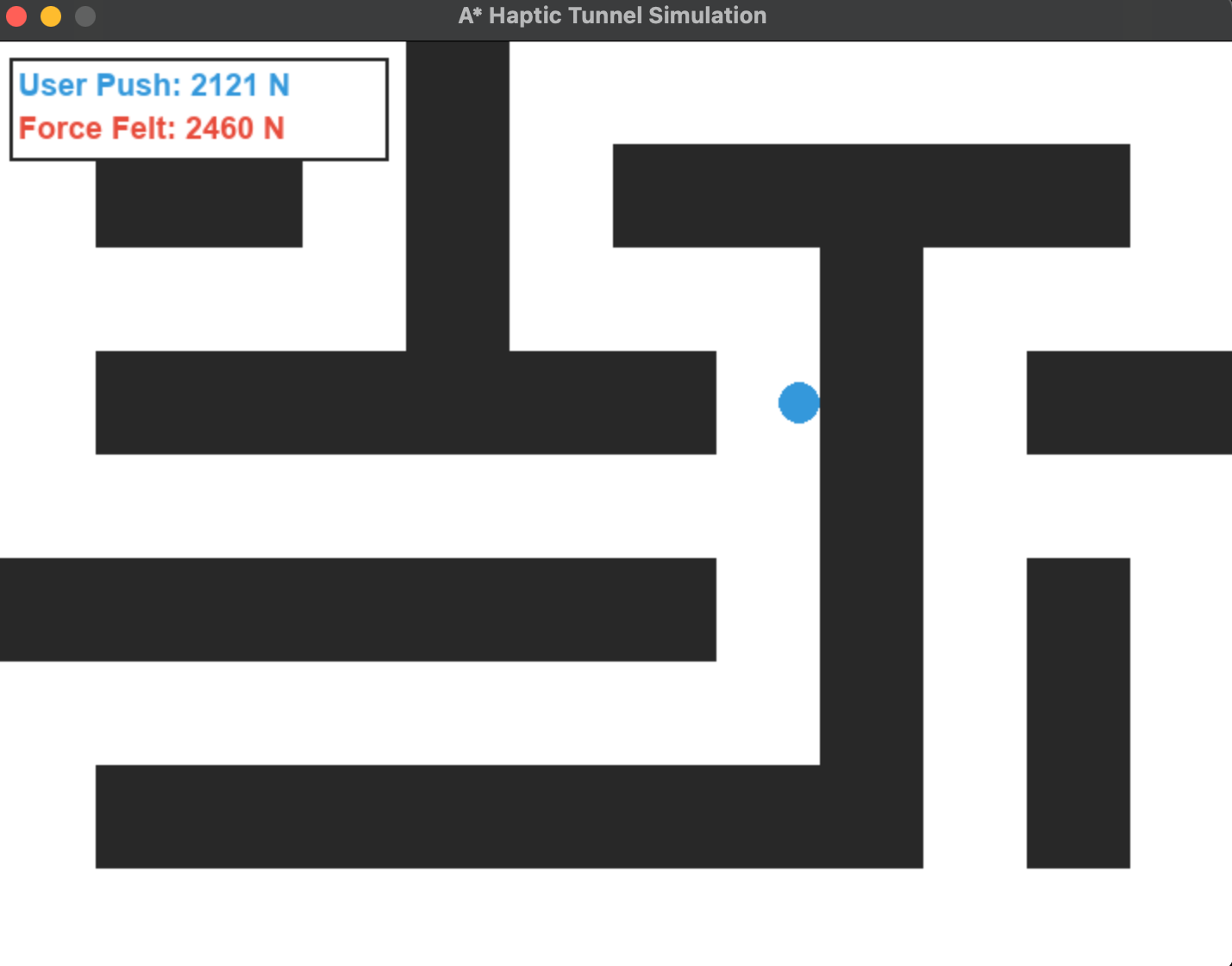
Haptic Virtual Maze: Robotic Navigation (2026)
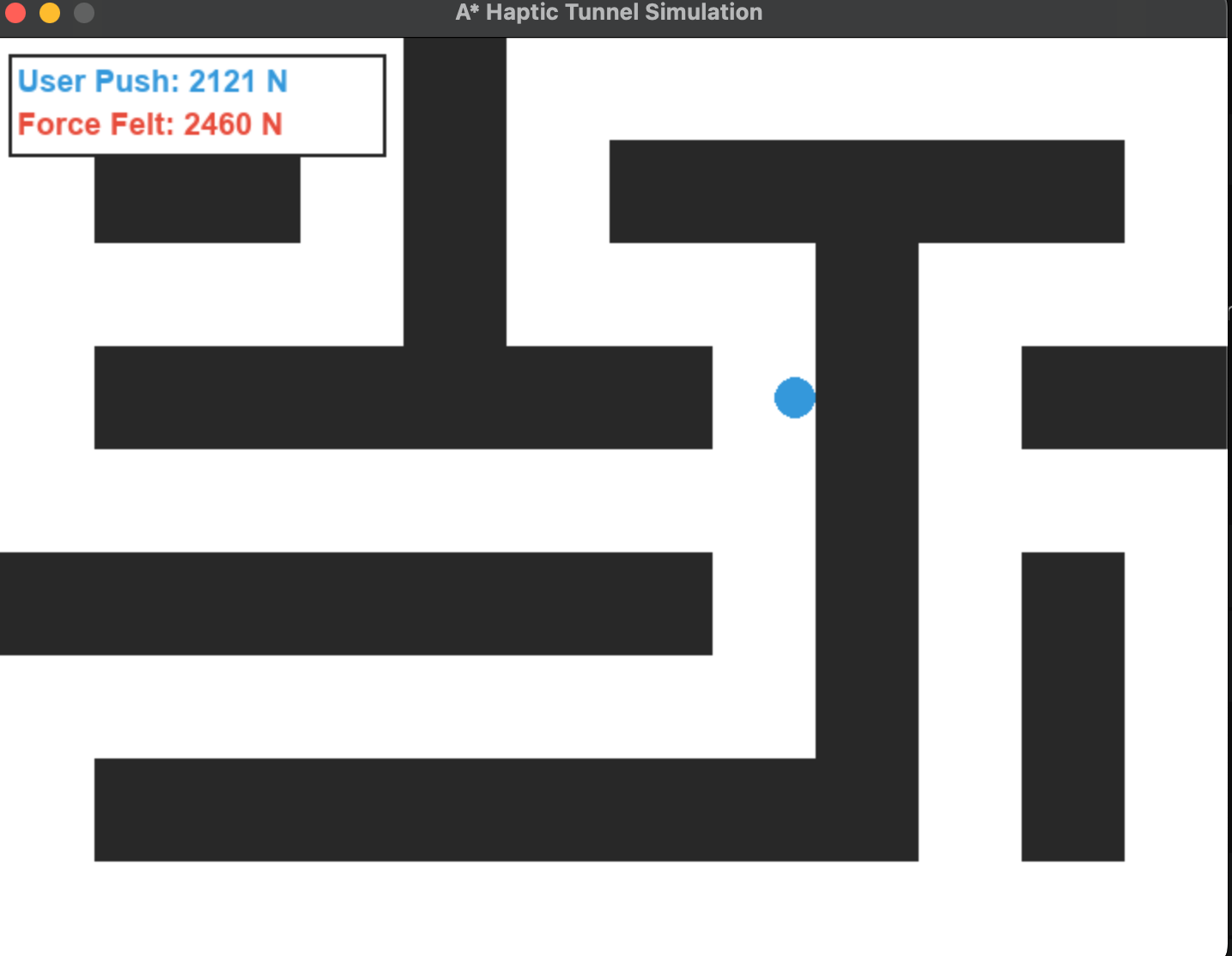
Description: Developed a 2D physics simulation of a force-controlled robot navigating a virtual maze. The system integrates A* pathfinding for optimal route calculation alongside simulated haptic feedback mechanisms. This project demonstrates foundational skills relevant to surgical robotics and teleoperation, where translating digital pathfinding into precise, physical force-control is critical for patient safety.
Tech Stack: Python, Control Systems, A* Search Algorithm, Physics Simulation, Haptics.